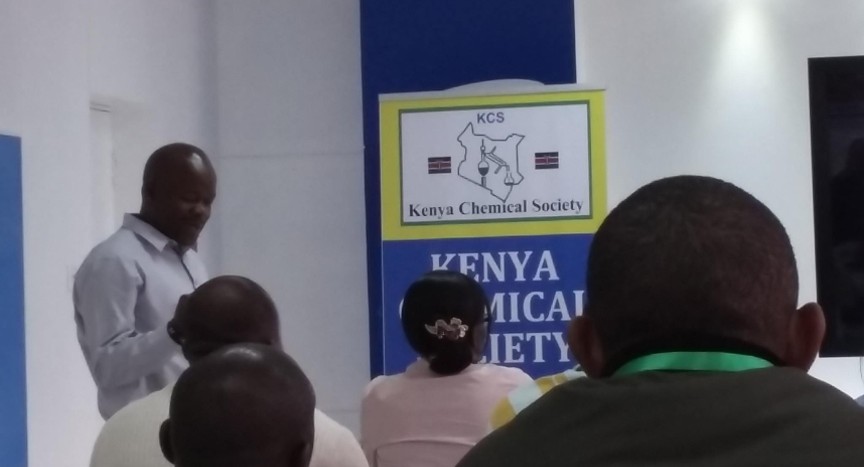
Securing the Lab: Insights from Day 2 of the University Technicians Workshop
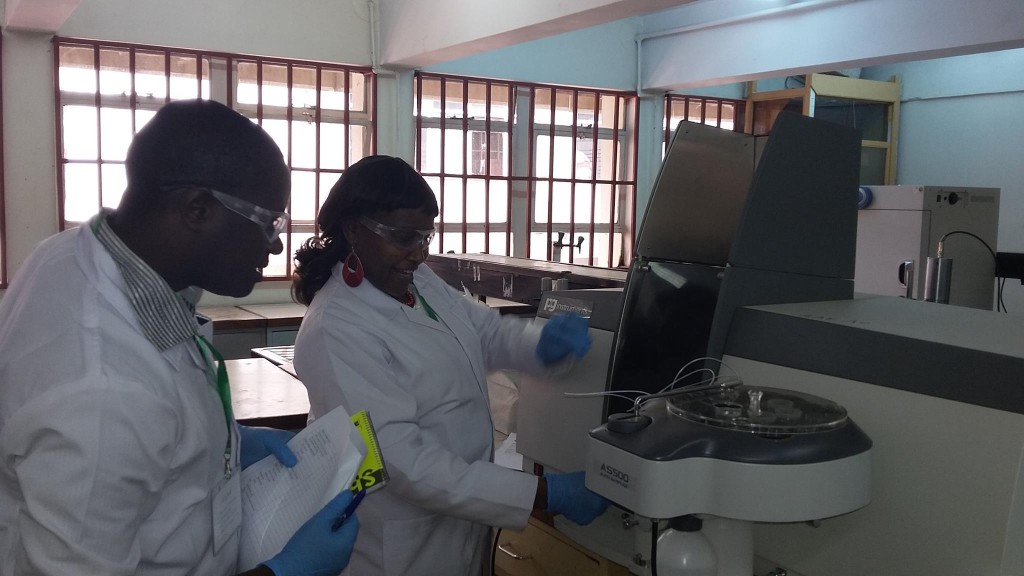
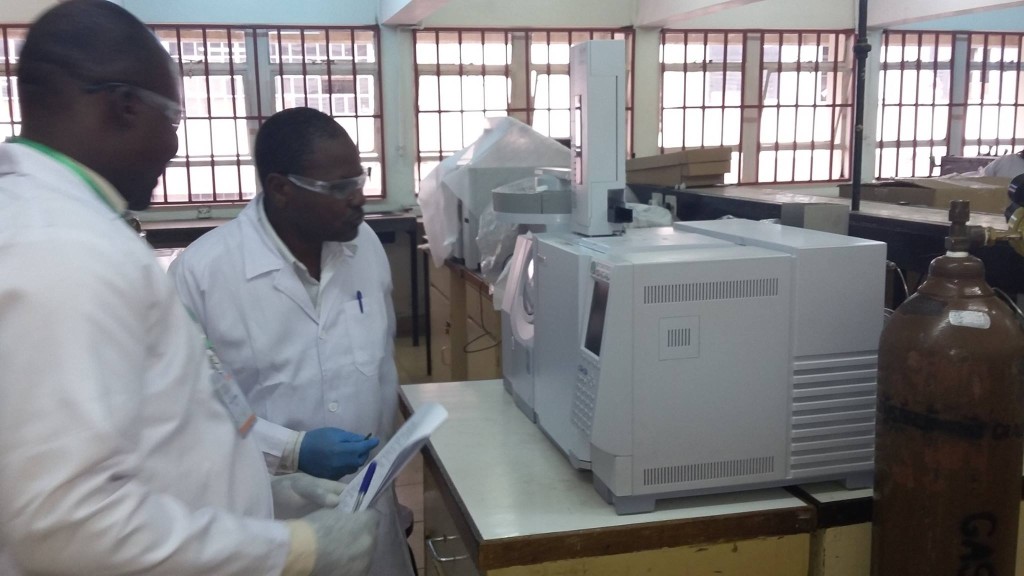
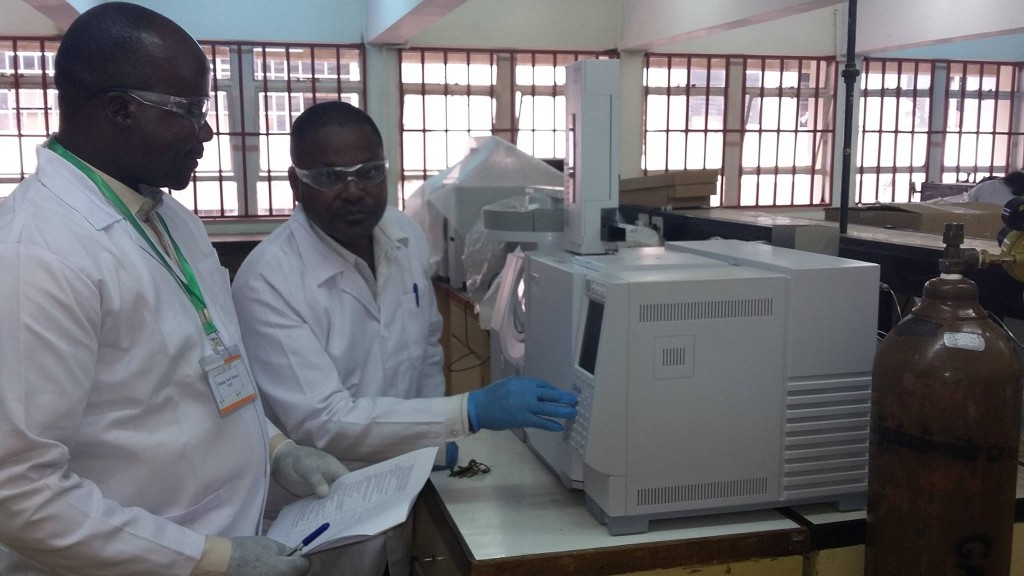
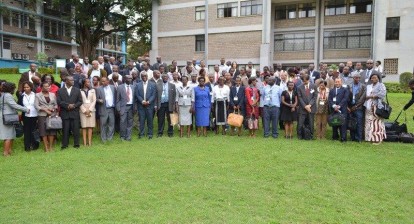
University laboratories are hubs of innovation, but they also house complex hazards. Safeguarding these spaces requires continuous education and rigorous compliance. On September 27, 2024, the Kenya Chemical Society (KCS) hosted Day 2 of the Chemical Safety, Security and Waste Management workshop, specifically designed for university technicians.
As the hands-on custodians of campus laboratories, technicians play a vital role in accident prevention and regulatory adherence. Here is a comprehensive breakdown of the core pillars covered during Day 2 of this essential training initiative.
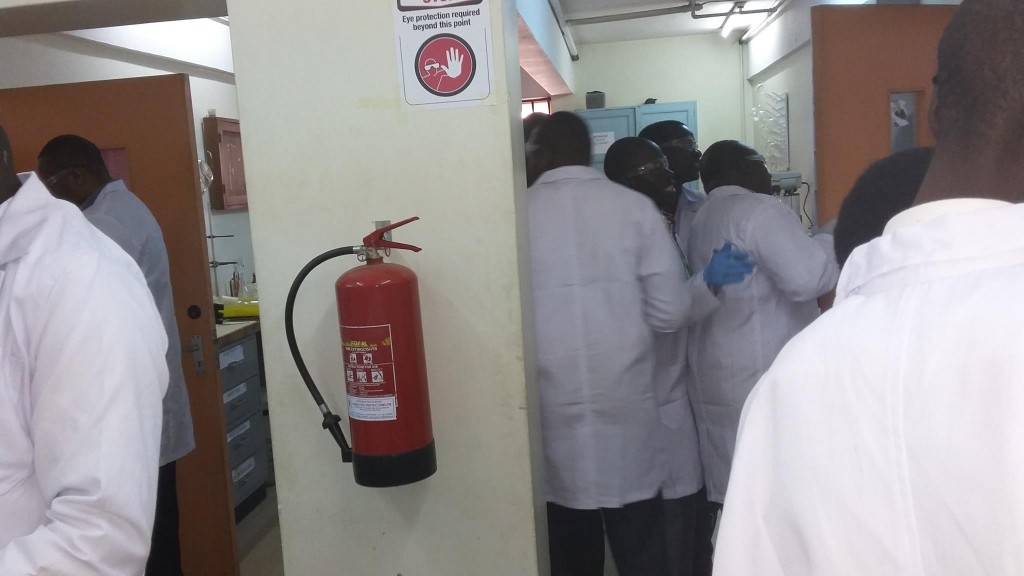
1. Advanced Chemical Safety & Hazard Communication
The frontline of laboratory defense begins with understanding what you are handling. Day 2 sessions focused heavily on expanding safety awareness beyond standard protective gear.
- Deciphering Safety Data Sheets (SDS): Transitioning fully from older material data formats to standardized Globally Harmonized System (GHS) SDS protocols. Technicians practiced evaluating exposure limits, localized toxicity variables, and specific chemical incompatibilities.
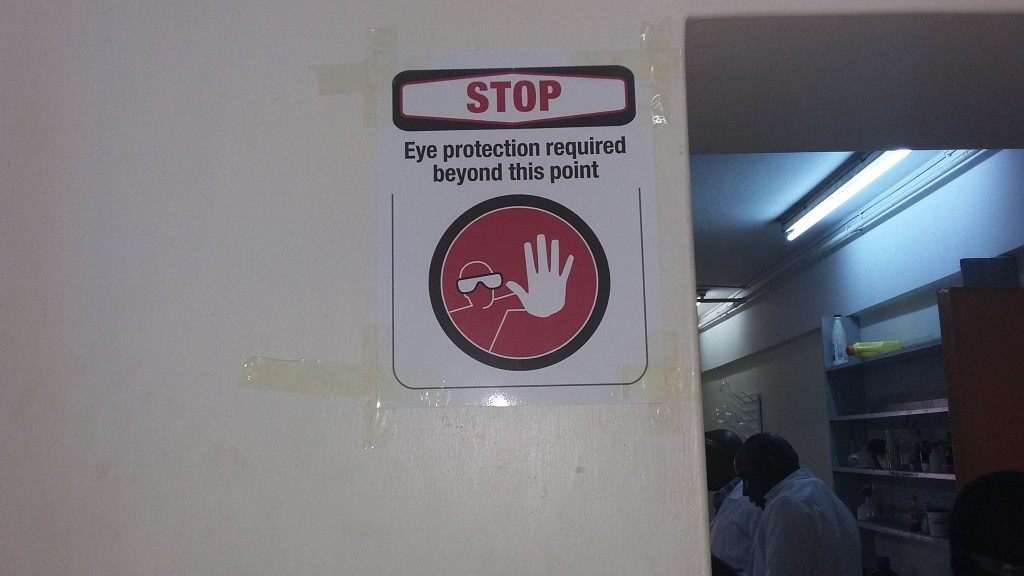
- Engineering vs. Personal Controls: While using appropriate Personal Protective Equipment (PPE) is mandatory, the workshop emphasized maximizing engineering controls—such as chemical fume hood maintenance and proper air face velocity.
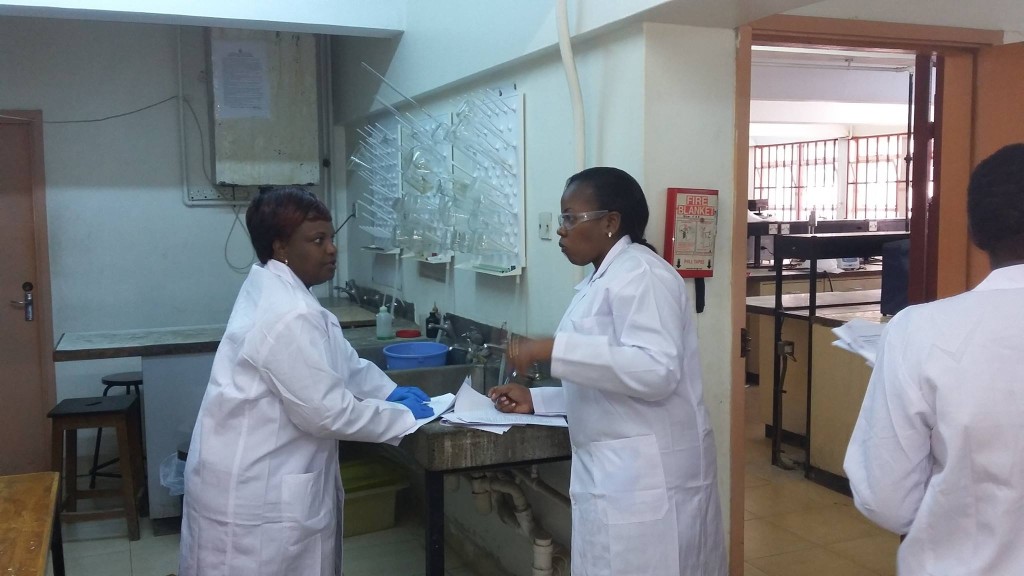
2. Risk-Based Chemical Security
While chemical safety mitigates accidental exposure or spills, chemical security prevents deliberate misuse, theft, or sabotage.
- Dual-Use Chemical Oversight: University labs often stock dual-use chemicals—substances that have legitimate commercial or academic functions but can also be repurposed for illicit harm.
- Digital Inventory Systems: Presenters emphasized moving away from paper logs toward robust, real-time inventory systems. Maintaining exact tracking parameters ensures that unauthorized discrepancies are immediately flagged.
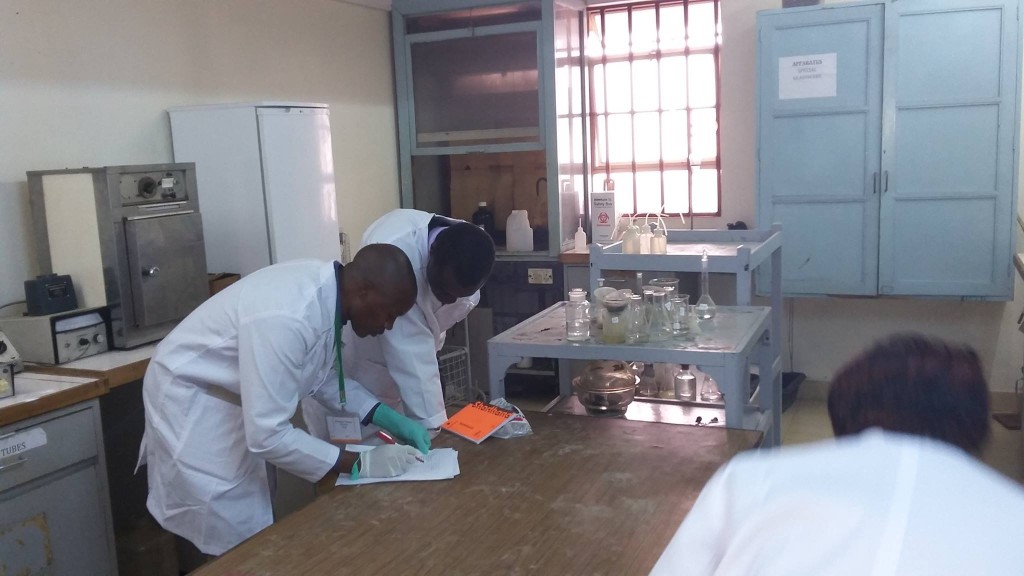
3. Sustainable & Compliant Waste Management
The final segment of Day 2 focused heavily on how university laboratories handle their output, ensuring that institutional actions protect the surrounding environment.
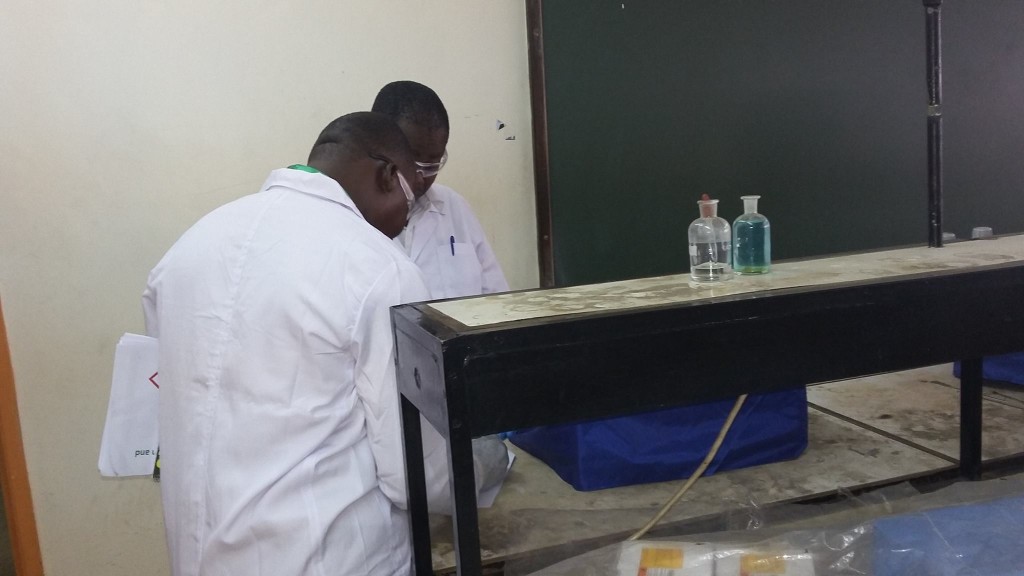
- Segregation and Containment: Technicians participated in practical scenarios regarding chemical compatibility in waste collection—preventing dangerous exothermal reactions from mismatched waste mixtures.
- Reduction at the Source: Emphasizing the “Less is Better” approach, the workshop advocated for micro-scale academic experiments to structurally reduce the volume of hazardous hazardous waste accumulated on campuses.
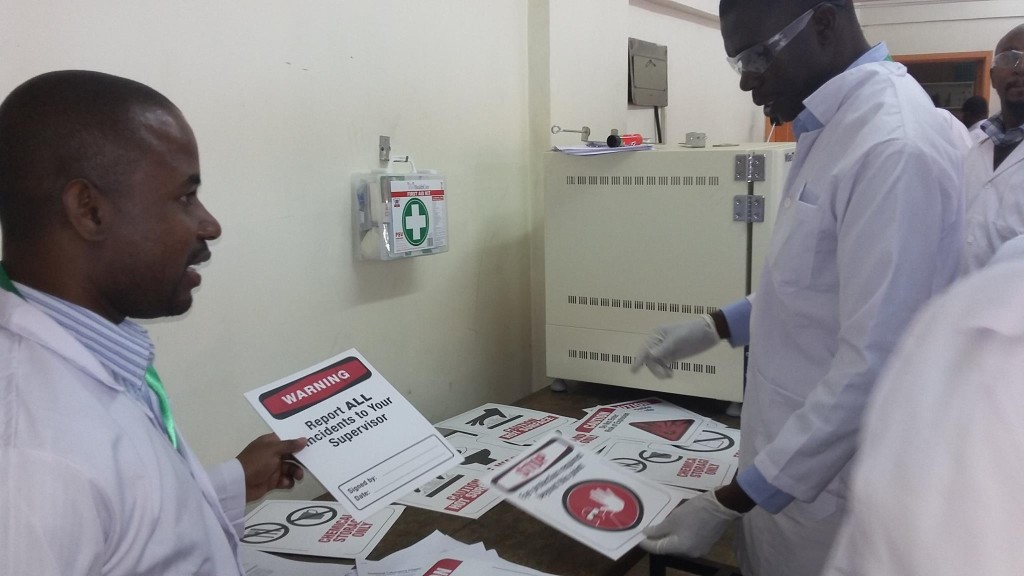
The Big Picture: Cultivating a Safety Culture
The overriding takeaway from the KCS workshop is that laboratory safety is an active culture, not a passive checklist. University technicians are uniquely positioned to enforce these standards daily, serving as mentors to students and researchers alike. By embedding strict security, precise hazard communication, and green waste disposal paths into daily routines, universities can ensure their scientific breakthroughs never come at the cost of human health or environmental safety.
For more information on upcoming professional development opportunities, safety resources, and regional chapters, visit the official Kenya Chemical Society Events Portal.