
Milestone in Regional Chemistry: A Look Back at the Inaugural Chemical Safety and Security Workshop in Hargeisa
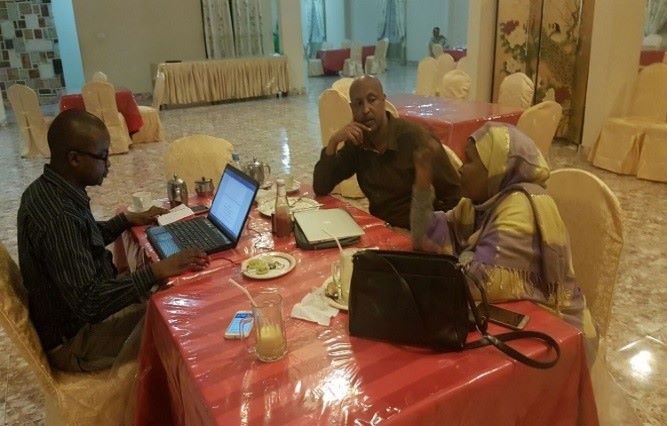
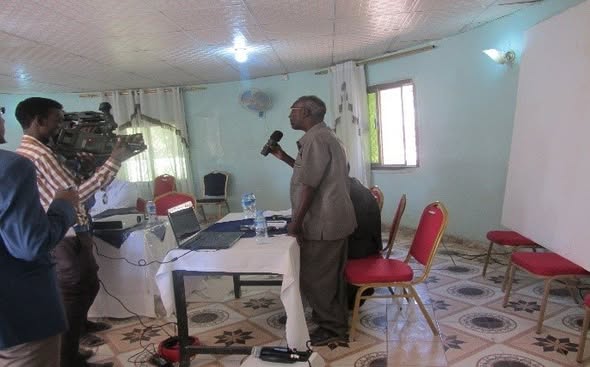
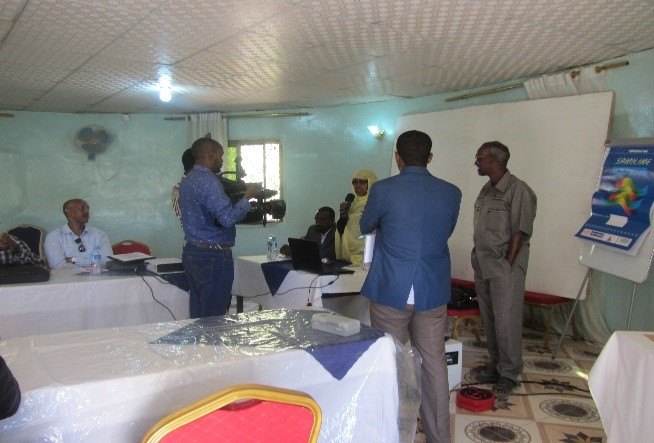
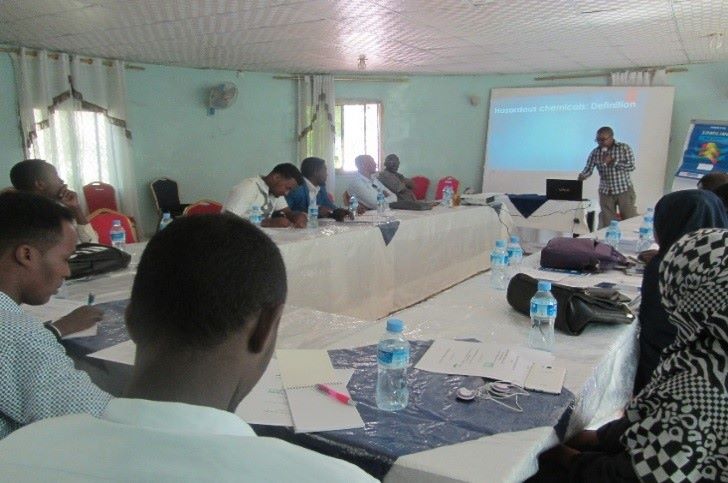
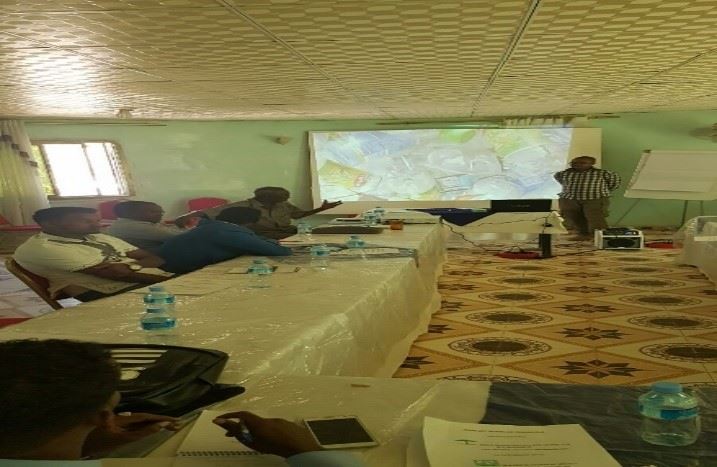
The landscape of chemical management in East Africa reached a definitive turning point when the Kenya Chemical Society (KCS), in an international collaboration with GOLIS, successfully hosted the first Chemical Safety and Security Workshop. Held at the Guleid Hotel in Hargeisa, Somaliland, from 7th to 9th January 2017, this landmark event laid the structural framework for regional chemical oversight, safety compliance, and dual-use asset protection.
By bringing together industry professionals, academic researchers, and regulatory authorities, the workshop served as a foundational platform for establishing standardized protocols across borders. Here is a retrospective on the core objectives and lasting impacts of that vital three-day summit.
1. The Power of Cross-Border Collaboration
Managing chemical risks requires a unified, regional approach rather than isolated institutional policies. The collaborative framework established between KCS and GOLIS highlighted several key milestones:
- Knowledge and Resource Sharing: Enabling cross-border expert exchange to bring international best practices in chemical safety directly to local laboratory infrastructures.
- Harmonized Safety Languages: Working toward a unified understanding of safety standards, labeling, and hazardous material classification across East African networks.
- Institutional Capacity Building: Helping local academic and industrial facilities elevate their internal training programs to align with global regulatory expectations.
2. Establishing the Twin Pillars: Chemical Safety vs. Chemical Security
One of the most critical conceptual breakthroughs of the 2017 workshop was drawing a clear, operational distinction between laboratory safety and laboratory security—a distinction that remains vital for modern chemical technicians today.
- Chemical Safety (Mitigating Accidents): The sessions focused heavily on minimizing unintentional exposure, proper usage of Personal Protective Equipment (PPE), establishing reliable spill response protocols, and preventing volatile, accidental chemical reactions within storage spaces.
- Chemical Security (Preventing Misuse): The focus shifted to safeguarding high-consequence and dual-use materials from theft, unauthorized access, or intentional diversion. Technicians and administrators were introduced to rigorous physical security audits, inventory tracking mechanisms, and access control policies.
3. Laying the Groundwork for Responsible Waste Logistics
A significant portion of the workshop’s agenda was dedicated to the life-cycle management of chemical materials, specifically targeting the safe handling and disposal of hazardous waste streams.
- Preventing Environmental Contamination: Highlighting the dangers of illegal chemical dumping and standardizing methods for safe, laboratory-scale chemical neutralization.
- Source Segregation: Educating facility managers on how to properly isolate incompatible waste materials (such as acids, bases, and volatile organics) during storage to mitigate explosion and fire hazards.
- Accountable Disposal Chains: Creating a clear roadmap for institutions to work with vetted, certified waste disposal operators, ensuring legal and environmental compliance from laboratory to final destruction.
A Lasting Legacy in Regional Safety Culture
The first Chemical Safety and Security Workshop at the Guleid Hotel did more than just deliver three days of technical training; it sparked an ongoing regional conversation. The frameworks established in Hargeisa back in 2017 continue to serve as the blueprint for current KCS initiatives, including recent specialized safety workshops and compliance training programs for university technicians across the region.